


How much water does a car wash use?
In recent years, growing concerns about environmental sustainability have prompted various industries to reassess their water usage. Among these sectors, car washing stands out. Many drivers are curious about the amount of water used during a typical wash and its environmental impact. This article delves into the water consumption of car washes and explores potential solutions for reducing their environmental footprint.
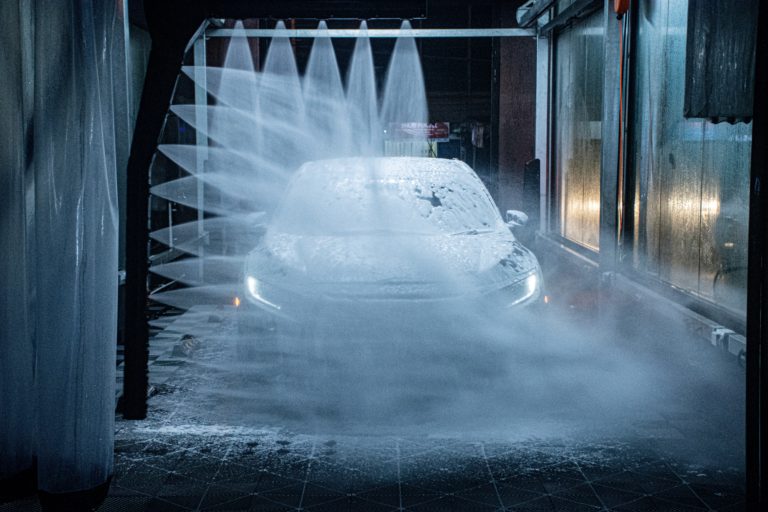
The water consumption in an automatic car wash varies based on factors such as vehicle size, dirt level, and the type of washing system employed. On average, a conventional car wash utilizes approximately 150 liters of water per service. This figure can fluctuate considerably depending on the operational practices of the car wash facility. This figure can fluctuate considerably depending on the operational practices of the car wash facility.
To mitigate water consumption in car wash operations, many facilities are adopting more sustainable techniques and technologies. One effective solution is the integration of water recycling systems. These systems treat and purify water used during washing, allowing its reuse in subsequent cycles. This approach can substantially reduce the overall water consumption by up to 90% in modern car wash facilities.
The issue of water consumption in car washes holds significant importance, considering that water is a precious and finite resource. Environmental regulations are increasingly promoting sustainability within car wash services. In some regions, legislation mandates that car washes adhere to specific water consumption standards. These regulations incentivize car wash operators to invest in water-efficient technologies and adopt sustainable practices.
Here are some insights into water consumption in car washes and the available technologies to reduce it.
- Water recycling: Implementing water recycling systems is among the most effective methods to curb water use in automatic car washes. These systems treat and filter used water, enabling its reuse for tasks like pre-washing or rinsing. This practice not only cuts down on fresh water consumption but also minimizes environmental impact.
- High-pressure, low-flow systems: Utilizing high-pressure, low-flow water equipment can also contribute to reduced water consumption. These systems employ specially designed nozzles that produce a powerful water jet, effectively removing dirt while using less water during the car wash process.
- Accurate detergent dosing: Precisely setting detergent dosage levels is crucial to prevent wastage. Over-dosing necessitates more water for rinsing, while under-dosing may require additional wash cycles.
Considering increasing drought concerns, minimizing water usage in car washes has become an imperative goal. Through collective efforts towards sustainability, we can advocate for responsible resource management and contribute to a cleaner, greener future for all.
Maintaining a clean car doesn’t have to entail excessive water usage; it can be accomplished in harmony with environmental sustainability.